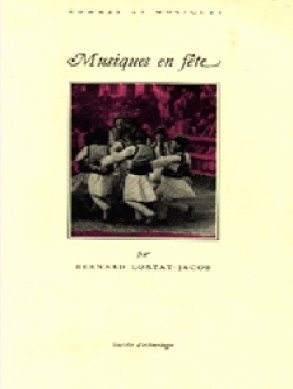
1994 – Musiques en fête, Maroc, Sardaigne, Roumanie
Société d'ethnologie [collection Société française d'ethnomusicologie “Hommes et musiques”],160 pages.
Comptes-rendus: Cahiers des musiques traditionnelles (9-1996), L'Homme (38-1996) et aussi: Le monde de la musique, World Music.
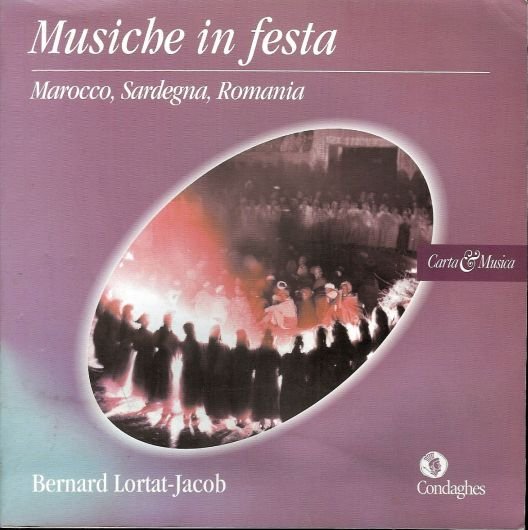
2000 - Musiche in festa
Edition italienne de Musiques en fête [traduction Fabrizio Giuffrida], reprise et complétée. Cagliari, Condaghes
+ 1 CD encarté comprenant des enregistrements originaux accompagnés de leur notice descriptive.
----
De part et d'autre de la Méditerranée, les sociétés rurales,suivant leurs traditions, organisent librement leurs fêtes et leurs musiques. De quelles façons? Quelle place occupent les musiciens de village? A quels enjeux obéissent les musiques qui associent étroitement ceux qui la produisent et ceux qui l'écoutent?C'est à ces questions que répond l'auteur, à partir de nombreuses observations de terrain, en décrivant trois situations qui s'éclairent l'une par l'autre:
- le Maroc berbère, où le jeu musical est confié à des paysans qui, pour la saison des fêtes, se regroupent en petites associations;
- la Sardaigne, où se produisent des villageois spécialistes qui voient en la musique un exercice occasionnel destiné à meubler une vie communautaire toujours dense;
- la Roumanie enfin, où exercent des musiciens de métier, tsiganes le plus souvent, qui se voient confier des responsabilités centrales dans les réjouissances villageoises.
Extrait de la 4° de couverture de la version française.
Frutto di ricerche svolte in un arco di oltre vent'anni, Musiche in festa è uno studio comparativo di tre società mediterranee : i Berberi dell'Alto Atlante in Marocco, i Sardi della Barbagia e la Romania con i suoi lautari zigani. Tutte queste musiche sono colte nel momento della festa, luogo di gesti ritualizzati, ancestrali, reiterati fedelmente una stagione dopo l'altra : esistenti ai margini delle nuove estetiche propagate sempre più efficacemente dalla radio e dalla televisione, esse hanno conservato – come si potrà vedere – tutta la loro bellezza.
Extrait de la 4° de couverture de la version italienne.